Back to Blogs

Why Does My 2nd Molar Hurt? Causes & Relief

Persistent pain in your second molar requires prompt dental evaluation to identify the cause, whether it's cavities, gum disease, TMJ issues, or an impacted wisdom tooth.

July 8, 2026
2 min read
Kayla winces while cautiously biting a slice of toast at a kitchen island.
Back to Blogs

Why Does My 2nd Molar Hurt? Causes & Relief

Kayla winces while cautiously biting a slice of toast at a kitchen island.

Persistent pain in your second molar requires prompt dental evaluation to identify the cause, whether it's cavities, gum disease, TMJ issues, or an impacted wisdom tooth.

July 8, 2026
2 min read

Understanding Your Second Molar Pain

Your second molar, located just in front of your wisdom teeth, can hurt for various reasons, ranging from common dental issues to more complex conditions. Identifying the root cause is crucial for effective treatment and relief.

Pain in this area is often intense due to the molar's size and its role in chewing. Many patients at Clover Smile Studio in Austin, TX, inquire specifically about discomfort in this region. Dr. Karnik Shah emphasizes that proper diagnosis is the first step towards resolving second molar pain.

Hand gently touches jaw near the molar in a dental exam room, conveying discomfort.

What Are Common Causes of Back Molar Pain?

Common causes of back molar pain include cavities, gum disease, tooth fractures, or an impacted wisdom tooth pressing against it. These issues can lead to inflammation and nerve irritation, resulting in significant discomfort.

Understanding why your second molar might be aching involves considering several factors unique to its position. Its location makes it susceptible to certain dental problems.

Typical Issues Leading to Molar Pain

  • Deep Cavities: Due to their position at the back of the mouth, second molars are often harder to clean thoroughly, making them prone to developing deep cavities that can reach the tooth's nerve.
  • Gum Disease: Periodontal issues, such as gum disease, can affect the gums and bone surrounding the molar, leading to pain, sensitivity, and even tooth looseness.
  • Cracked or Fractured Tooth: Biting down on hard foods or teeth grinding can cause subtle cracks or larger fractures in molars, exposing sensitive inner layers to temperature changes and bacteria.
  • Impacted Wisdom Teeth: If your wisdom teeth are erupting improperly or are impacted, they can exert pressure on your second molar, causing intense pain and potential crowding.
  • Dental Abscess: An untreated cavity or crack can lead to a bacterial infection inside the tooth, forming an abscess near the root tip, which is often excruciatingly painful.
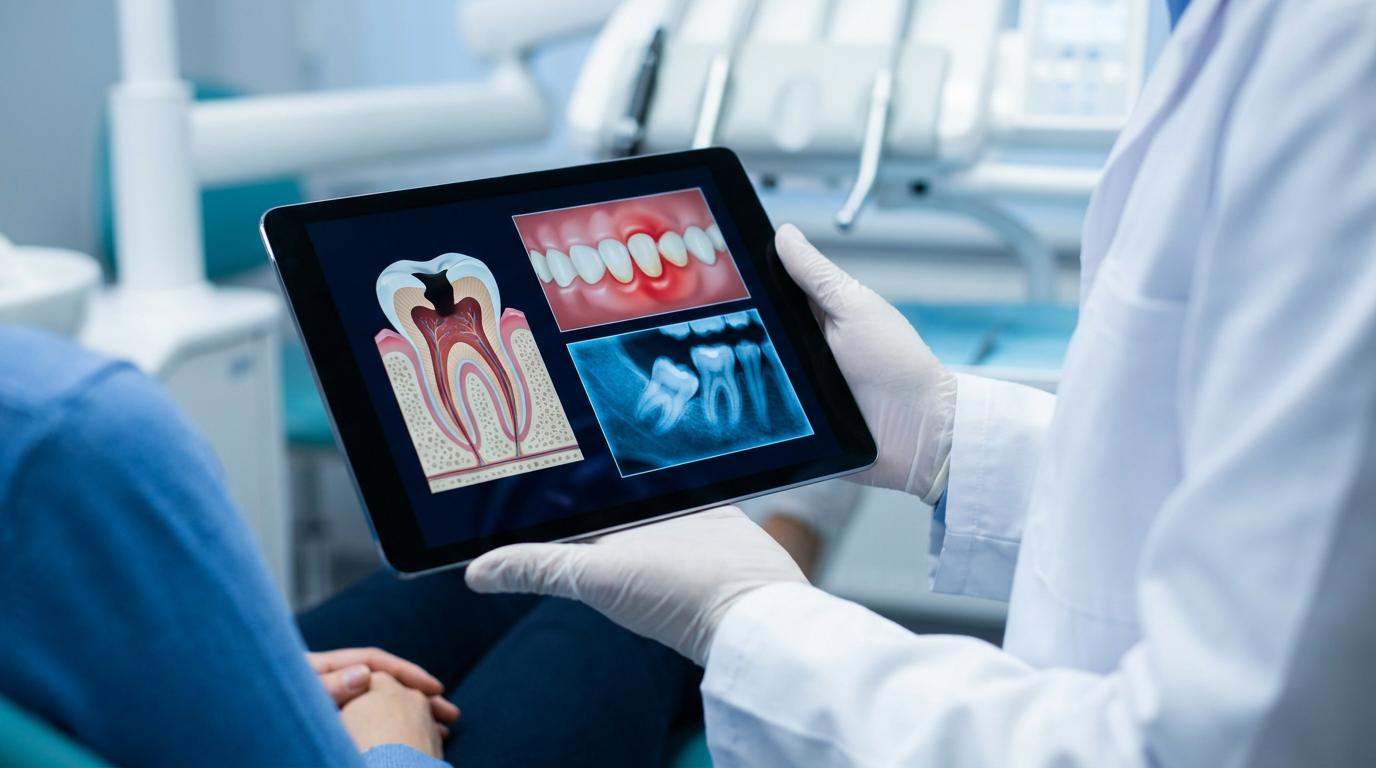
Tablet screen shows graphics of deep cavity, gum inflammation, and an X-ray of an impacted wisdom tooth.

Why Does My Second Molar Hurt From an Impacted Wisdom Tooth?

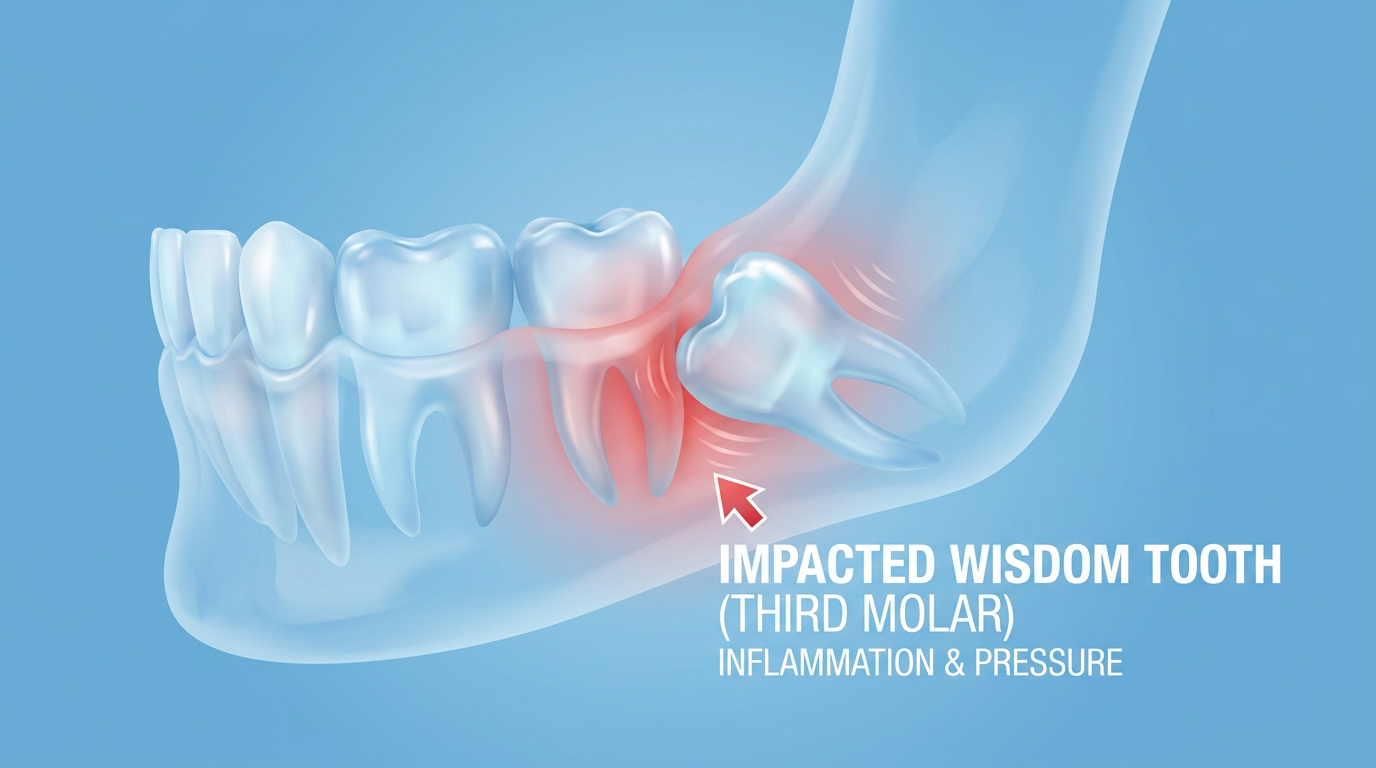
An impacted wisdom tooth can cause severe pain in your second molar because it physically presses against it, leading to pressure, inflammation, and potential damage. This pressure often results in chronic discomfort and can even create spaces for food accumulation and cavities.

The close proximity of wisdom teeth to second molars means that problems with the third molars frequently impact the second. When a wisdom tooth is unable to fully erupt due to lack of space, it becomes impacted.

Ways Impaction Affects Second Molars

  • Direct Pressure: The most common cause is the wisdom tooth literally pushing against the second molar's roots or crown, creating pressure and soreness.
  • Increased Infection Risk: The limited space around an impacted wisdom tooth can create a trap for food particles and bacteria, leading to infections (pericoronitis) that spread to the adjacent molar. Emergency dentistry may be needed.
  • Cavity Formation: An impacted wisdom tooth can make it very difficult to clean the back of your second molar, significantly increasing its risk of decay.
  • Root Resorption: In severe cases, the constant pressure from an impacted wisdom tooth can cause the root of the second molar to dissolve, weakening its structure.
Illustration shows an impacted wisdom tooth pushing against a second molar with translucent anatomy.

Can TMJ Issues Cause Molar Toothache Relief?

Yes, temporomandibular joint (TMJ) disorders can cause referred pain that feels like a toothache in your second molar. The muscles and nerves associated with the jaw joint are close to the molars, making it common for TMJ problems to manifest as dental pain, even when the tooth itself is healthy.

This type of pain is often described as a dull, aching discomfort that can spread to your ear, temple, or neck. Patients at Clover Smile Studio often describe this as a mysterious toothache because no dental issue is apparent upon examination. Dr. Karnik Shah meticulously checks for signs of TMJ / TMD treatment when conventional toothache causes are absent.

Kayla, at her office desk, rubs her temple and jawline with a pained expression.

Schedule Your Molar Pain Evaluation Today

If you're experiencing persistent second molar pain, don't wait. Contact Clover Smile Studio in Austin, TX, to schedule a thorough evaluation with Dr. Karnik Shah. Their team can identify the cause and provide the relief you need. Visit their website or call to book your appointment.

What at-Home Remedies Relieve Second Molar Pain?

For temporary relief of second molar pain, you can try over-the-counter pain relievers, cold compresses, or rinses with warm salt water. These methods help reduce inflammation and numbing sensations, but they are not substitutes for professional dental care and diagnosis.

While these remedies can alleviate discomfort, they only address symptoms. It's crucial to seek professional dental evaluation at Clover Smile Studio to identify and treat the underlying problem.

Immediate Relief Measures

  • Over-the-Counter Pain Relievers: Medications like ibuprofen or acetaminophen can help reduce pain and inflammation. Always follow dosage instructions carefully.
  • Cold Compress: Applying an ice pack wrapped in a cloth to the outside of your cheek can numb the area and reduce swelling, especially if inflammation is present.
  • Saltwater Rinse: A warm saltwater rinse can help cleanse the area, reduce bacteria, and calm inflammation around the painful molar. Mix half a teaspoon of salt in 8 ounces of warm water.
  • Clove Oil: Applied sparingly with a cotton swab, clove oil has natural analgesic properties that can temporarily numb the painful tooth.
  • Avoid Trigger Foods: Steer clear of extremely hot, cold, sugary, or acidic foods and drinks that might exacerbate sensitivity and pain in the affected area.
Warm water and sea salt in a bowl on a wooden kitchen counter, with pain relievers in background.

When Should You See a Dentist for Molar Pain?

You should see a dentist for molar pain if it is persistent, severe, accompanied by swelling, fever, or difficulty opening your mouth. These symptoms indicate a potentially serious issue that requires immediate professional evaluation and treatment to prevent further complications.

Delaying professional care for persistent molar pain can lead to more extensive problems, such as widespread infection or loss of the tooth. Dr. Karnik Shah advises patients in Austin, TX, experiencing any of these signs to schedule an appointment promptly. Ignoring the pain could lead to a dental emergency.

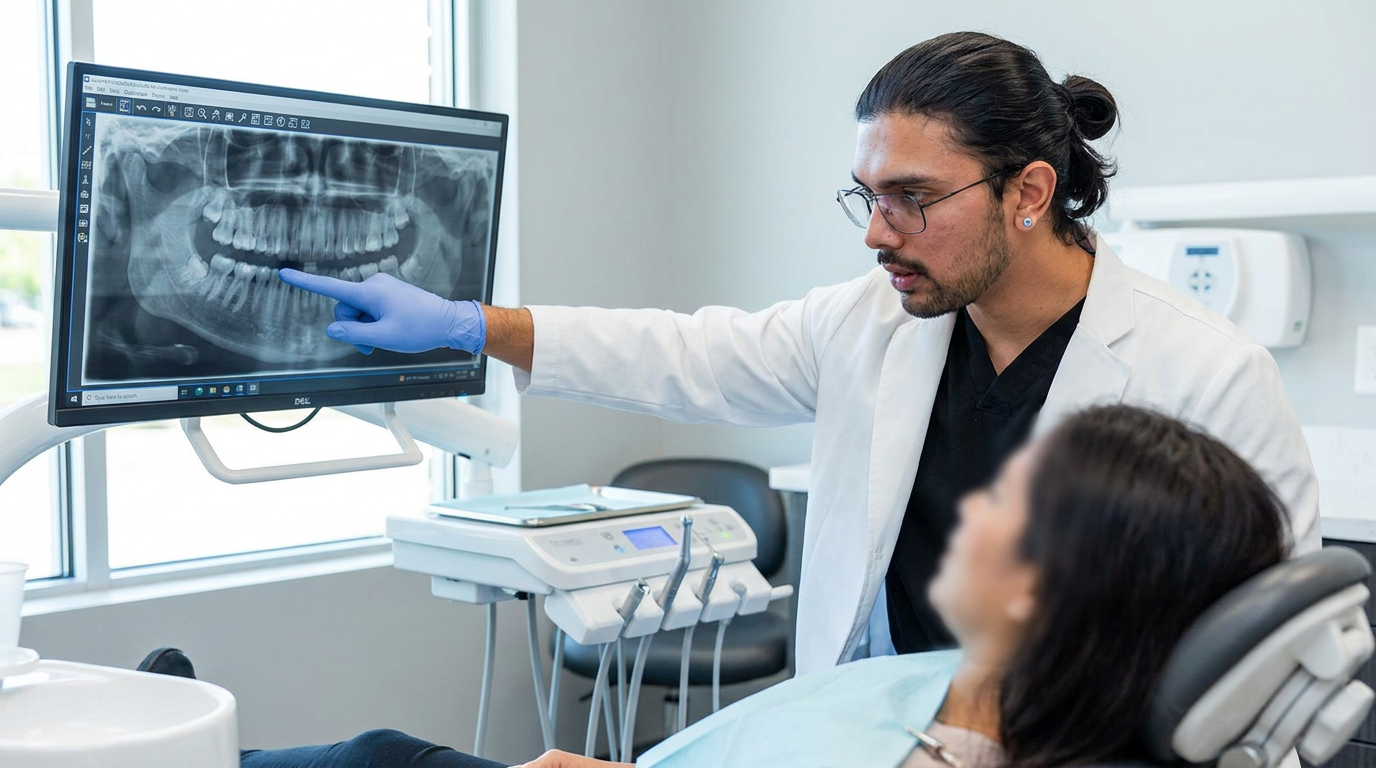
Dr. Karnik Shah, a male dentist, points to a dental X-ray on a monitor in a modern dental operatory.

What Dental Treatments Address Molar Pain?

Dental treatments for molar pain vary depending on the cause, including fillings for cavities, root canal therapy for infections, or extractions for impacted wisdom teeth. Dr. Karnik Shah will recommend the most appropriate solution after a thorough examination and diagnosis.

At Clover Smile Studio, a comprehensive approach is taken to diagnose and treat the source of your molar pain. The goal is to relieve discomfort and restore your oral health.

Common Professional Treatments

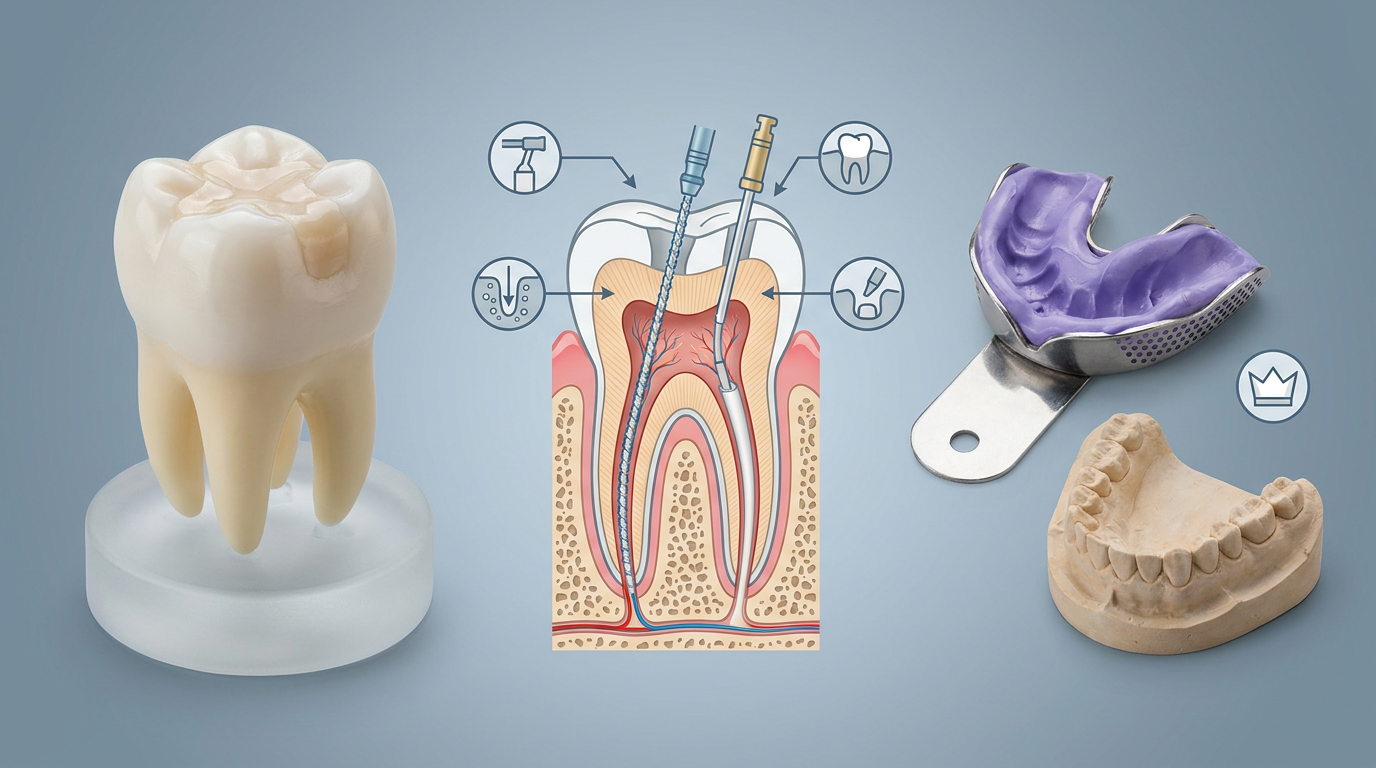
  • Dental Fillings: For pain caused by cavities, a composite filling will remove the decay and restore the tooth's structure, preventing further nerve exposure.
  • Root Canal Therapy: If the pain is due to a deep infection within the tooth pulp, root canal therapy can save the tooth by removing the infected tissue and sealing the tooth.
  • Tooth Extraction: For severely damaged, infected, or impacted wisdom teeth causing pain to the second molar, an extraction may be necessary to alleviate pressure and prevent further issues.
  • Gum Disease Treatment: If gum disease is the culprit, treatments like deep cleaning (scaling and root planing) can help eliminate infection and reduce inflammation.
  • Crowns or Onlays: A dental crown or onlay might be recommended for a cracked or severely weakened molar to protect it from further damage and relieve pain.
Composite image of a tooth model with a filling, a root canal diagram, and a dental impression tray.

What This Means for You

Experiencing second molar pain can significantly impact your daily life, making eating, speaking, and even sleeping difficult. It’s important to remember that such pain is often a signal that something is amiss and requires professional attention. At Clover Smile Studio, Dr. Karnik Shah and his team are dedicated to accurately diagnosing the cause of your discomfort and providing effective, compassionate care. Whether it’s a simple cavity, a complex TMJ issue, or a stubborn impacted wisdom tooth, they have the expertise to restore your comfort and oral health.

Don't let molar pain linger and potentially lead to more serious complications. Seeking timely dental care means you'll receive a tailored treatment plan designed to address your specific needs. Rest assured that your well-being is the top priority in their Austin, TX practice, and they are committed to helping you achieve a pain-free, healthy smile. Taking that first step to schedule an appointment can make all the difference in resolving your second molar discomfort.

Dr. Karnik Shah discusses treatment options with a patient in a consultation room.

Frequently Asked Questions

1. Why does my back tooth hurt, but there's no visible cavity?
Your back tooth might hurt due to an internal crack, gum inflammation, an impacted wisdom tooth, or referred pain from a TMJ disorder, even without a visible cavity.

2. Can stress cause second molar pain?
Yes, stress can cause clenching or grinding (bruxism), leading to muscle tension and pressure on your second molars, which can manifest as pain.

3. How long should I wait before seeing a dentist for molar pain?
You should see a dentist within 1-2 days if your molar pain is constant, severe, or accompanied by swelling. Prompt evaluation by Dr. Karnik Shah helps prevent complications.

4. Is second molar pain always a sign of a cavity?
No, second molar pain isn't always a cavity. It can also be caused by gum disease, a cracked tooth, an infection, or even issues with your jaw joint (TMJ).

5. What is referred pain in the context of molar pain?
Referred pain means discomfort is felt in your second molar, but the actual problem originates elsewhere, such as your temporomandibular joint, sinuses, or an adjacent tooth.

6. Can a misaligned bite cause my second molar to hurt?
Yes, a misaligned bite can put excessive pressure on your second molars when chewing or clenching, leading to pain, wear, or even cracks over time.

7. What are the dangers of ignoring molar pain?
Ignoring molar pain can lead to serious infections spreading to other parts of your body, widespread tooth decay, tooth loss, or worsening of underlying conditions, explains Dr. Karnik Shah.

8. Will a filling fix my second molar pain?
A dental filling will fix second molar pain if the pain is caused by a cavity. If the pain originates from a different issue, other treatments would be necessary.

9. Can I prevent future second molar pain?
You can prevent future second molar pain with diligent oral hygiene, regular dental check-ups, avoiding hard foods, and addressing teeth grinding with a night guard.

10. Is it normal for my second molar to hurt after getting a new crown?
It's common to experience some sensitivity or mild pain in your second molar after a new crown, but persistent or severe pain warrants a follow-up with Dr. Karnik Shah.

Related Blog Posts

Stay Informed with Expert Insights & Tips About Dental Care

A woman reads a children's book about a dental visit to a child on a park bench.
7.8.2026

Special Needs Dentistry for Adults: What to Expect

Learn how Clover Smile Studio supports adults with special needs through accommodating care, clear communication, sedation options, and personalized treatment.

Nathan sitting on his living room couch while gently pressing his hand to his cheek.
7.8.2026

Dental Pain Relief in Austin: Your Guide

Discover rapid dental pain relief in Austin. Navigate toothache emergencies and preventive care for lasting smile health.

6.2.2026

What Causes Dull Tooth Pain That Comes and Goes?

Dull tooth pain that comes and goes can be tricky. Discover common causes of this intermittent discomfort and how to find relief.

Don’t just take our word for it

Hear from some of our amazing customers who are building faster.

    I am beyond thrilled with the results of my recent dental treatment with Dr. Shah! I had a complex crown procedure done, and from start to finish, Dr. Shah's expertise and care made all the difference.
    Chirag P.
    Compassionate & professional. Dr. Shah is very professional and goes an extra mile to make sure you are at ease and comfortable. Will always briefly explain what needs to be done and will provide valuable advice.
    Vavita D.
    I highly recommend DrShah he truly cares about your dental care. I don’t trust anyone  else with my teeth I have been going to him for years. Visit his website, make a appointment you won’t regret it.
    Melissa N.
VISIT US
16009 FM 1325 Suite 200 Austin TX 78728
CALL US
(512) 212-1112
EMAIL US
cloversmileatx@gmail.com
OFFICE HOURS
Monday - Friday
8:00 AM - 5:00 PM
Weekend
Closed

Make An Appointment

Thank you! Your submission has been received!
Oops! Something went wrong while submitting the form.