The Morning That Changed Everything
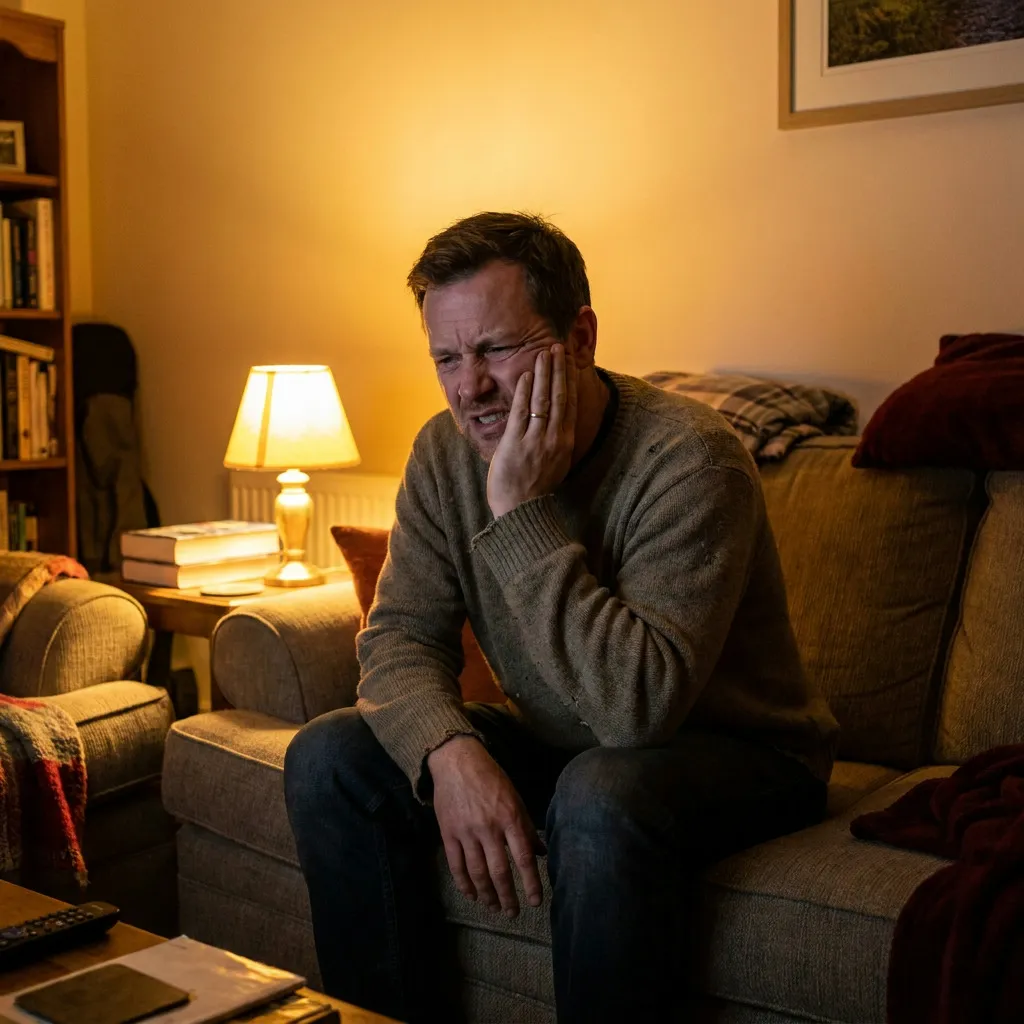
Megan noticed something was wrong before the sun was fully up. Her fourteen year old son, Liam, usually hummed while eating breakfast. That morning, he sat rigid, fingers pressed against his cheek, eyes darting toward the floor. When she gently asked what hurt, he didn’t answer. He never did when pain overwhelmed him. Instead, a low groan escaped his chest, followed by a sharp push of his chair away from the table.

Her stomach dropped immediately.
Parents of children with special needs learn to read pain differently. It is not always a cry or complaint. Sometimes it is a change in routine, a refusal to eat, a sudden spike in anxiety. Megan felt that familiar rush of fear, mixed with a heavier thought. What if this is a dental emergency, and what if no one knows how to help him?
She grabbed her phone, searching for answers while trying to keep her voice calm. You might recognize that moment, the one where concern turns into urgency. Dental emergencies are stressful for anyone, but for families navigating autism, sensory sensitivities, developmental delays, or physical disabilities, the stakes feel even higher.
Why Dental Emergencies Hit Special Needs Families Harder
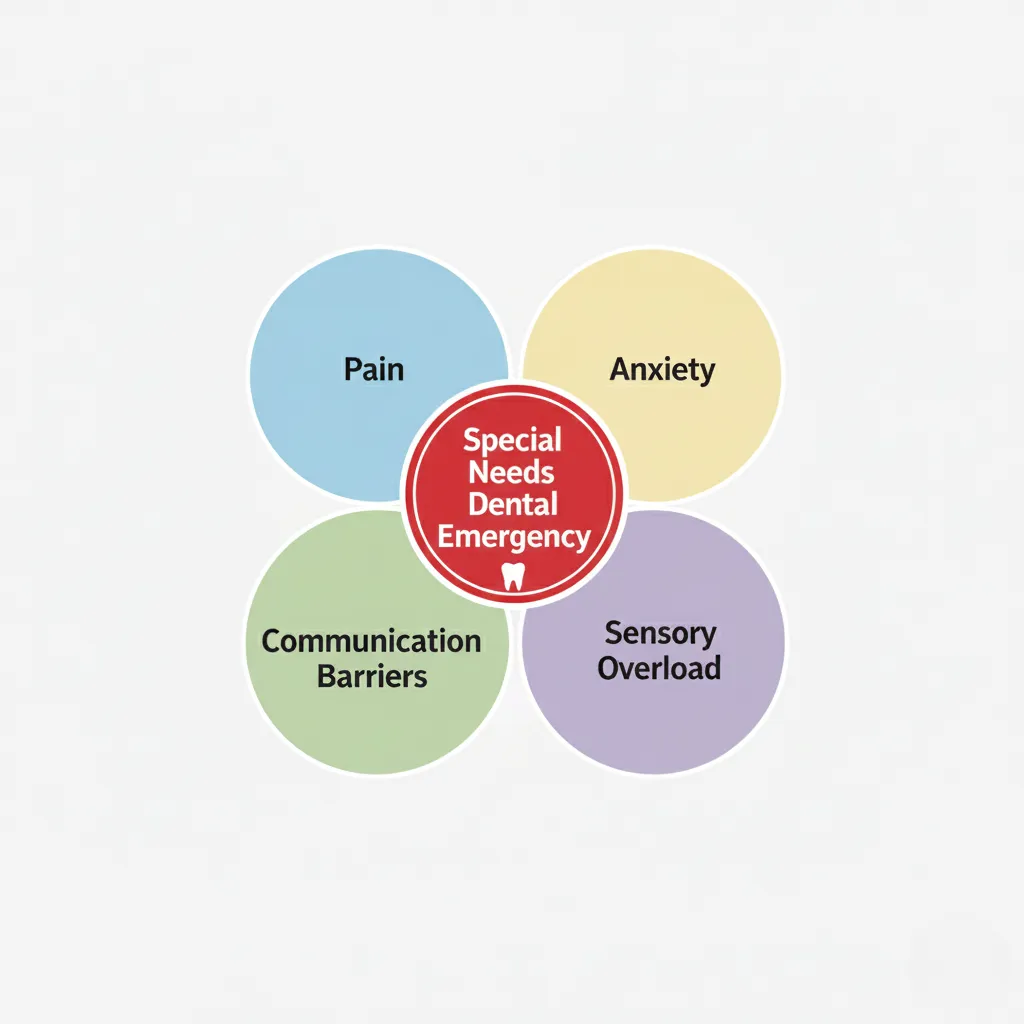
A toothache is rarely just a toothache in these situations. Pain triggers anxiety, anxiety triggers sensory overload, and sensory overload shuts down communication. What might feel manageable for one patient can become overwhelming in minutes for another.
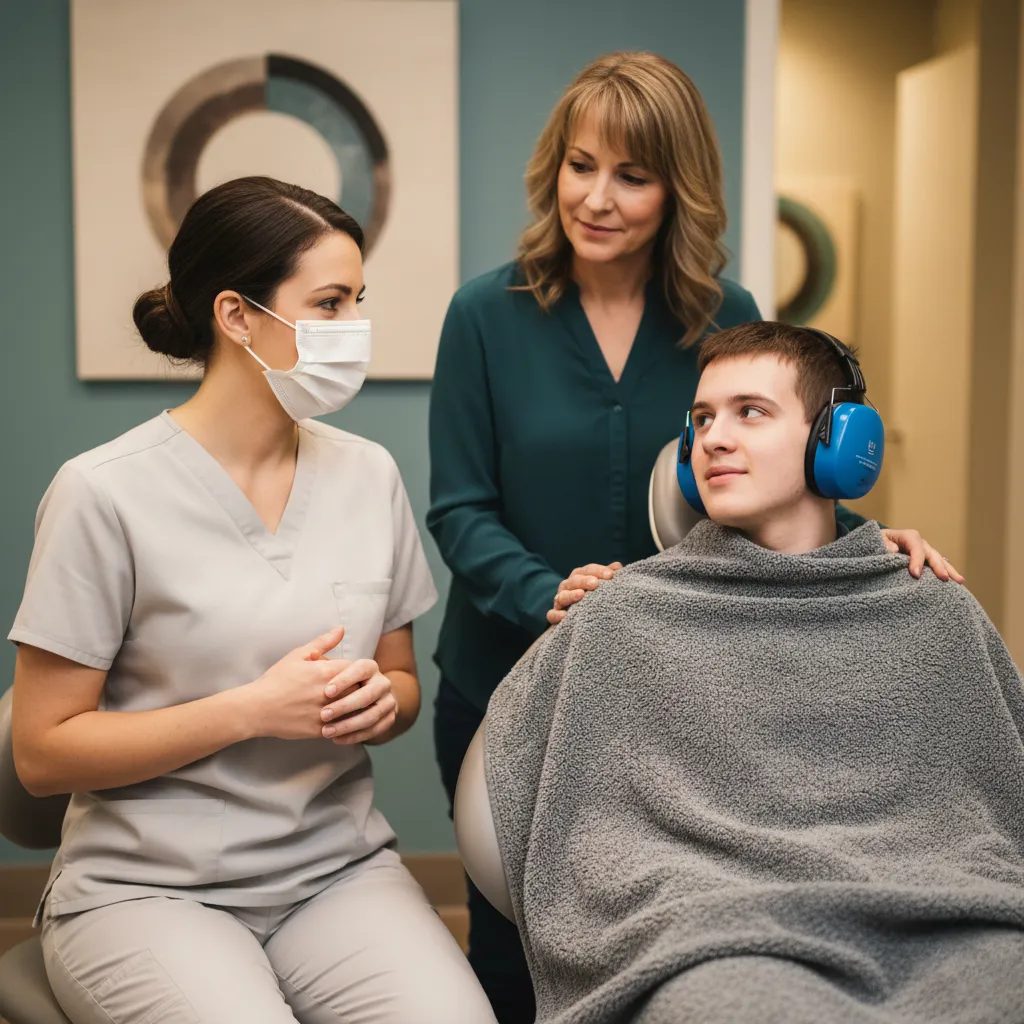
Megan worried about the bright lights, the unfamiliar sounds, the feeling of hands in Liam’s mouth. She worried he would panic, or worse, refuse care entirely. You might have the same fears, especially if past dental visits ended in tears, restraint, or shame.
Dental emergencies do not wait for perfect conditions. Infection does not pause because a patient struggles to tolerate exams. And yet, many families delay care because they fear the experience more than the pain.
That delay is where small problems grow teeth of their own.
The Silent Danger Of Waiting Too Long
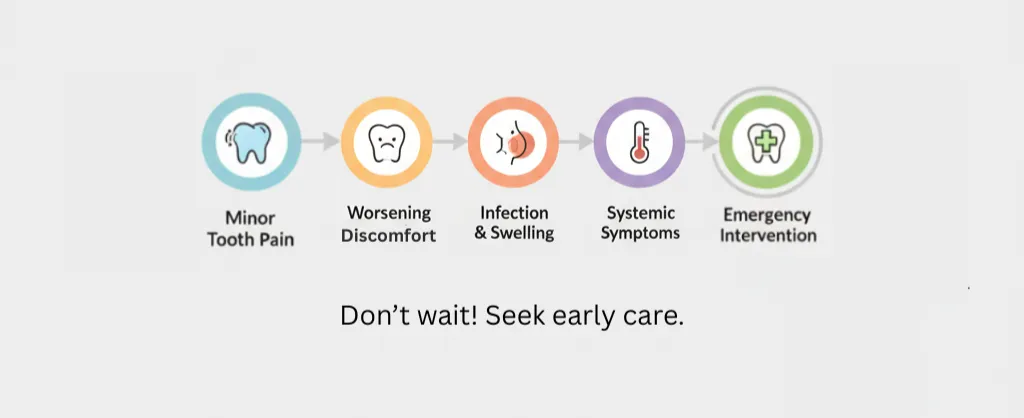
Liam’s pain started quietly. Megan realized later it had been brewing for days. Special needs patients often cannot localize or describe discomfort, so infections hide until they erupt.
A cracked tooth can turn into an abscess. Gum irritation can escalate into swelling that affects eating, sleeping, even breathing. Emergency dentistry is not just about relief, it is about preventing cascading health issues that affect the whole body.
You might wonder if waiting until tomorrow is safer. For many families, tomorrow feels easier than facing the unknown today. But dental infections do not follow emotional logic. They follow biology.
That is when Megan decided she needed a dental team that understood more than teeth.
Finding A Dentist Who Understands The Whole Person
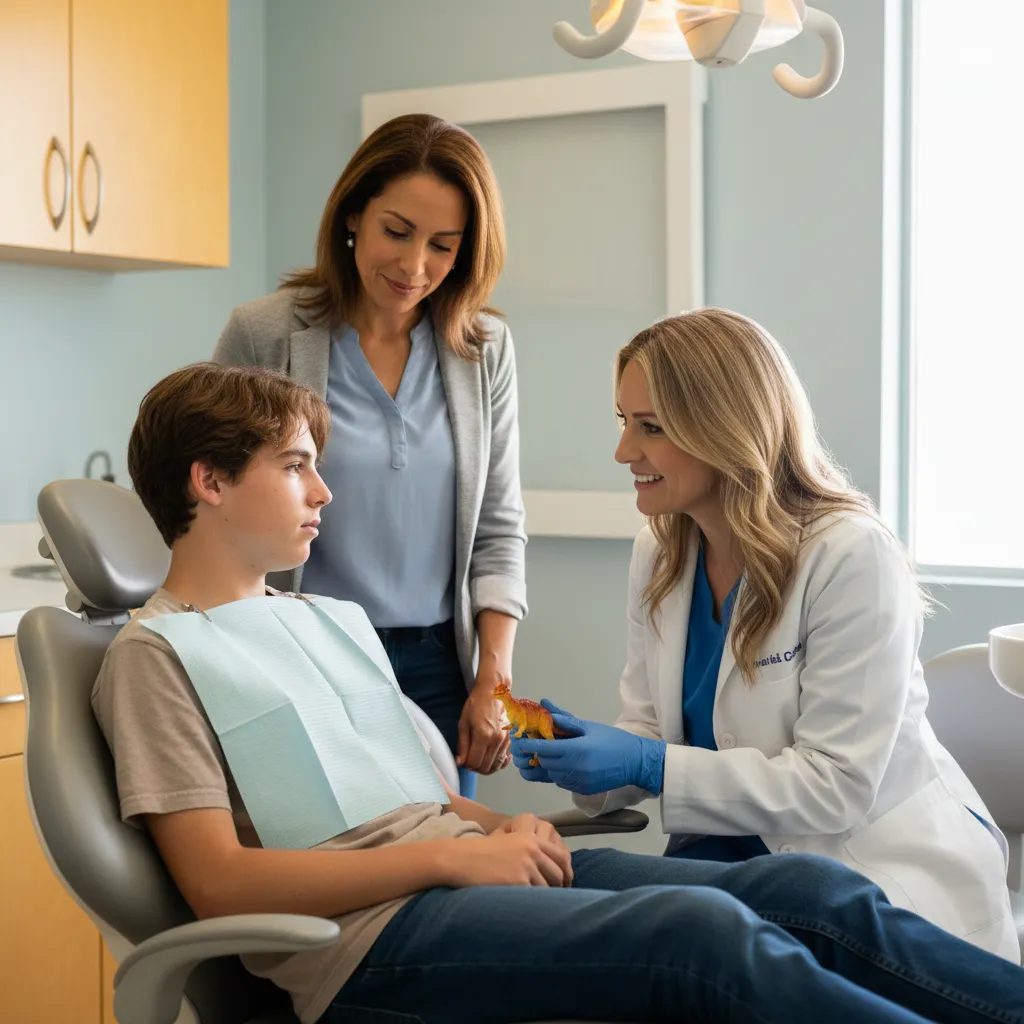
When Megan called Clover Smile Studio, she braced herself. Instead, the voice on the other end slowed things down. She explained Liam’s needs, his sensory triggers, his communication challenges. No one rushed her. No one dismissed her concerns.
This is what special needs emergency dentistry should feel like. Not heroic, not dramatic, just deeply respectful.
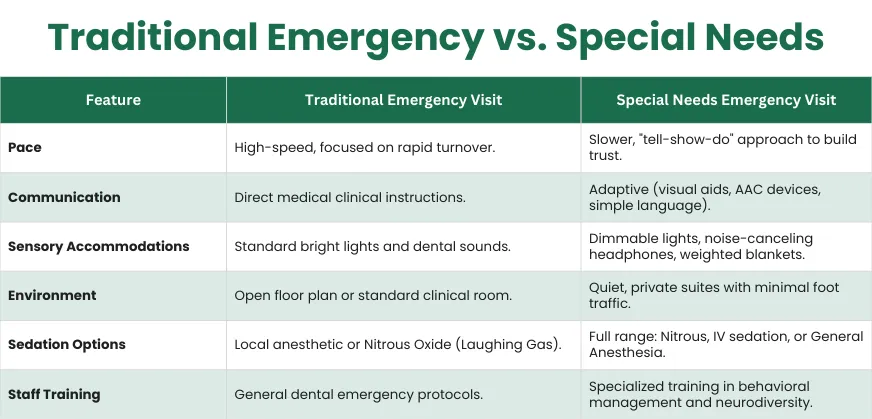
At Clover Smile Studio, care for patients with special needs is built into the approach, not added as an afterthought. From quieter rooms to patient led pacing, the goal is simple. Help first, overwhelm never.
You can learn more about their compassionate approach to care for patients with unique needs through their dedicated Special Needs Dentistry services page.