Back to Blogs

Tooth Pain That Comes and Goes: Should You Worry?

A close-up of an adult gently touching their cheek with a concerned look, natural lighting, representing dental discomfort.

September 9, 2025
2 min read
Back to Blogs

Tooth Pain That Comes and Goes: Should You Worry?

A close-up of an adult gently touching their cheek with a concerned look, natural lighting, representing dental discomfort.

September 9, 2025
2 min read

When That Sharp Twinge Strikes Out of Nowhere

Sad and sick Asian man sipping his drink while holding his cheek, feeling pain or toothache. Sad and sick Asian man sipping his drink outside of a cafe while holding his cheek, feeling pain or toothache. TOOTHACHE SIPPING iced COFFEE stock pictures, royalty-free photos & images

You’re sipping an iced drink when a sudden zing shoots through your molar. The pain vanishes as quickly as it arrived, leaving you wondering if it was just a fluke. Later that week, you feel the same jolt while chewing dinner. By the next morning, it’s gone again.

Many adults brush off these episodes because the discomfort doesn’t linger. But here’s the truth: tooth pain that comes and goes is still your body’s way of saying something isn’t right. The question isn’t whether it’s serious—it’s whether you catch it early enough to prevent bigger problems.

Why Tooth Pain Comes and Goes

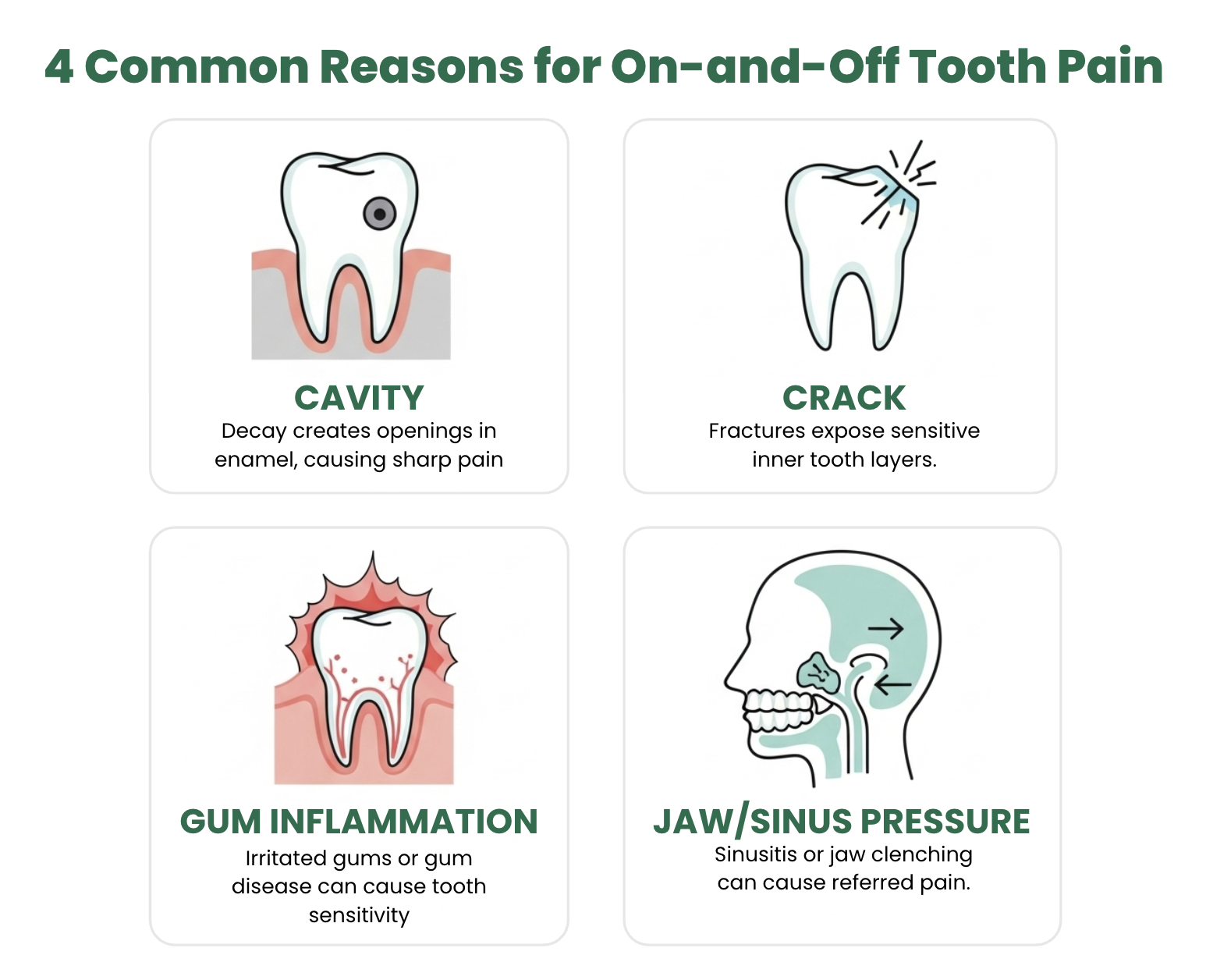
Not all toothaches behave the same way. Some are sharp and sudden, others dull and nagging. The “comes and goes” type can be especially confusing because it tricks you into thinking it’s not urgent.

Small Cavity, Big Signals

Even a tiny cavity can trigger pain when food or liquid hits the sensitive dentin layer beneath the enamel. Once the irritant is gone, the pain subsides—but the cavity is still there, slowly expanding.

Cracks and Fractures

A cracked tooth may only hurt when you bite in a certain direction or on a specific spot. Over time, that crack can deepen and lead to infection or the need for root canal therapy.

Gum Issues That Flare Up

Early gum disease can create occasional soreness, especially if food debris gets lodged below the gumline. Swelling may go down temporarily, but bacteria remain active without professional treatment.

Sinus or Jaw Pressure

Not all tooth pain originates in the teeth. Sinus infections or TMJ/TMD problems can cause pressure that radiates as intermittent tooth discomfort.
When to Take It Seriously

Pain that disappears often tricks patients into waiting months before calling their dentist. But here’s what dentists know: tooth pain rarely resolves on its own. It either escalates—or the nerve inside the tooth quietly dies, masking symptoms until the damage is more advanced.

Red flags that mean it’s time to call the dentist:

  • Pain wakes you up at night
  • Sensitivity lingers after hot or cold foods
  • You notice swelling, bad taste, or persistent bad breath
  • Biting feels uneven or creates a sharp twinge in one spot

The Science Behind Tooth Pain
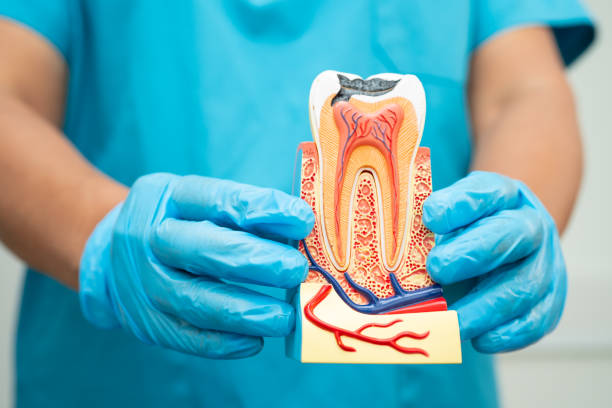
Asian dentist holding dental implant, artificial tooth roots into jaw, root canal of dental treatment, gum disease, teeth model for dentist. Asian dentist holding dental implant, artificial tooth roots into jaw, root canal of dental treatment, gum disease, teeth model for dentist. healthy teeth tooth decay stock pictures, royalty-free photos & images

Understanding why pain flickers on and off can help you see why acting early matters.

Inside every tooth is a chamber containing nerves and blood vessels. When decay, cracks, or infection irritate those nerves, the pulp sends pain signals. If irritation is brief, the nerves calm back down—explaining the “on again, off again” sensation. But if irritation is frequent, those nerves eventually become inflamed. Once inflammation progresses too far, pain can become constant or, paradoxically, disappear if the nerve dies. Unfortunately, nerve death doesn’t equal healing—it usually means infection is spreading deeper.

Patient Story: The Pain That Waited Too Long

Maria, a 42-year-old patient, felt sharp pains while chewing but brushed them off because the pain faded quickly. Six months later, she came in with swelling and constant throbbing. The culprit? A cracked tooth that had progressed into an infection. Instead of a simple filling, she needed a crown and root canal. She later told us, “I wish I’d come in sooner—it would have saved me so much time and stress.”


Catch It Early

Worried that a dental visit means bad news? In reality, catching tooth pain early often means simpler, faster fixes like a small filling or bite adjustment. Don’t wait for the next flare-up—schedule a checkup and get peace of mind.

What Happens at the Dentist

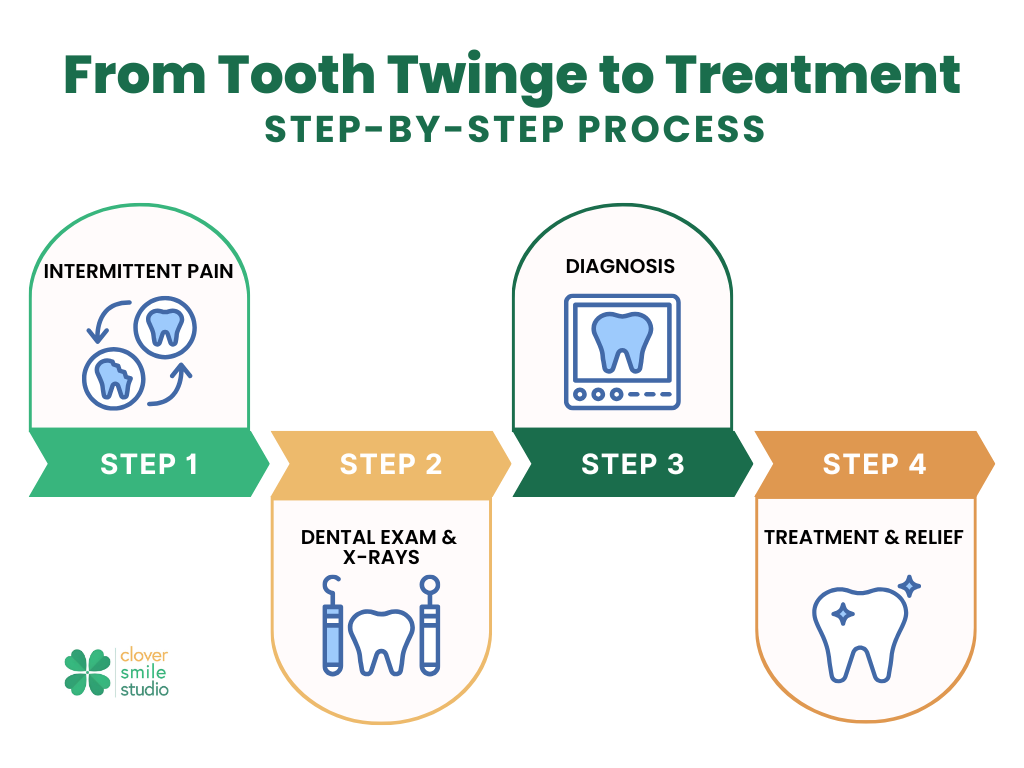
If you visit for intermittent pain, here’s what to expect:

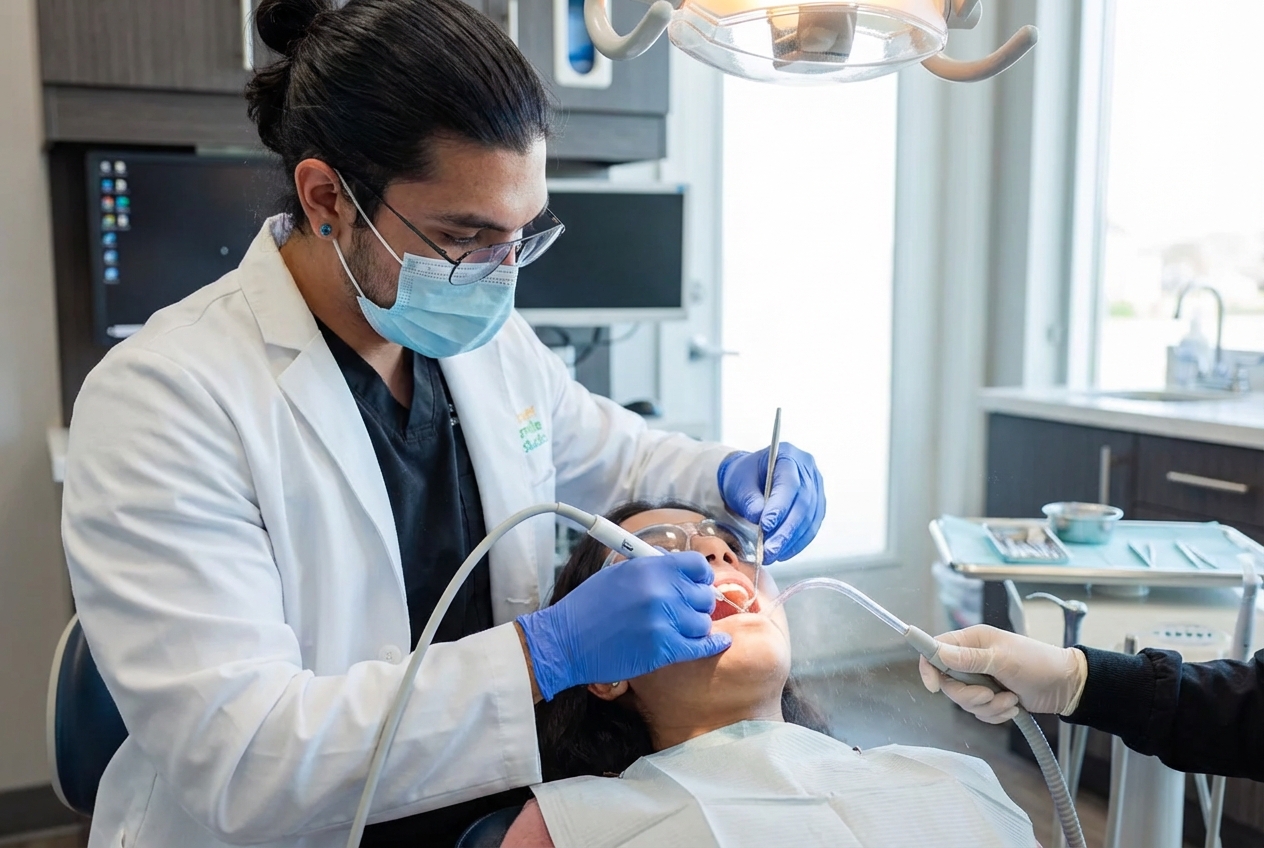
  1. Thorough Exam: Your dentist will visually check for decay, cracks, or gum inflammation.
  2. Digital X-rays: These reveal issues not visible to the eye, like decay between teeth or infections at the root.
  3. Bite Evaluation: Sometimes uneven pressure causes pain—adjusting your bite can relieve it.
  4. Treatment Plan: Depending on the cause, solutions may range from a filling or crown to a deep cleaning or same-day repair.

How to Protect Against Future Flare-Ups

Preventing tooth pain isn’t just about avoiding cavities—it’s about maintaining strong, healthy teeth and gums over the long term.

  • Brush thoroughly twice a day: Focus on the gumline, where plaque collects.
  • Floss daily: Prevents food and bacteria from causing gum irritation.
  • Avoid using teeth as tools: Biting ice, pens, or hard objects increases crack risk.
  • Wear a night guard: If you grind your teeth, a guard prevents fractures and sensitivity.
  • Keep up with professional cleanings: They let your dentist spot issues before pain begins.

Pain Management Until Your Appointment

If you can’t see your dentist right away, there are safe ways to manage symptoms temporarily:

  • Rinse with warm salt water to calm irritated gums.
  • Take over-the-counter pain relievers as directed.
  • Apply a cold compress to the cheek for swelling.
  • Stick to soft foods and avoid chewing on the sore side.

Important: These steps ease discomfort but don’t address the cause. Always follow up with a dental visit.

The Bigger Picture: Oral Health and Overall Wellness

Tooth pain isn’t just about your mouth. Untreated dental infections can spread to the jaw or even affect overall health. Studies continue to link poor oral health with conditions like heart disease, diabetes, and respiratory issues. That sharp twinge you feel today may seem small, but protecting your oral health also protects your long-term well-being.

Don’t Ignore What Your Tooth Is Telling You

A toothache that comes and goes may feel minor, but it’s often a warning sign. The good news? With timely care, most causes are treatable, and you can prevent pain from turning into a dental emergency.

Every smile is worth protecting—and your peace of mind is, too. If you’ve noticed tooth pain that flares up and fades away, don’t wait until it’s constant. Let’s figure it out together.

Schedule your appointment with Clover Smile Studio today and get back to enjoying every bite and sip without worry.

Frequently Asked Questions

Why does tooth pain stop on its own?
At our practice in Austin, we explain that pain may fade if irritation is temporary (like from clenching or a small crack under stress). But if the nerve is dying, pain can disappear on its own—not because the problem resolved, but because the nerve is no longer transmitting signal. Painless doesn’t always mean healed.

Can a cracked tooth repair itself?
No. Teeth don’t regenerate. A crack may stay stable for years or worsen suddenly. The goal is to stabilize it early—often with a crown—before it extends below the gum line where it becomes untreatable.

I grind my teeth. Am I more likely to have tooth pain?
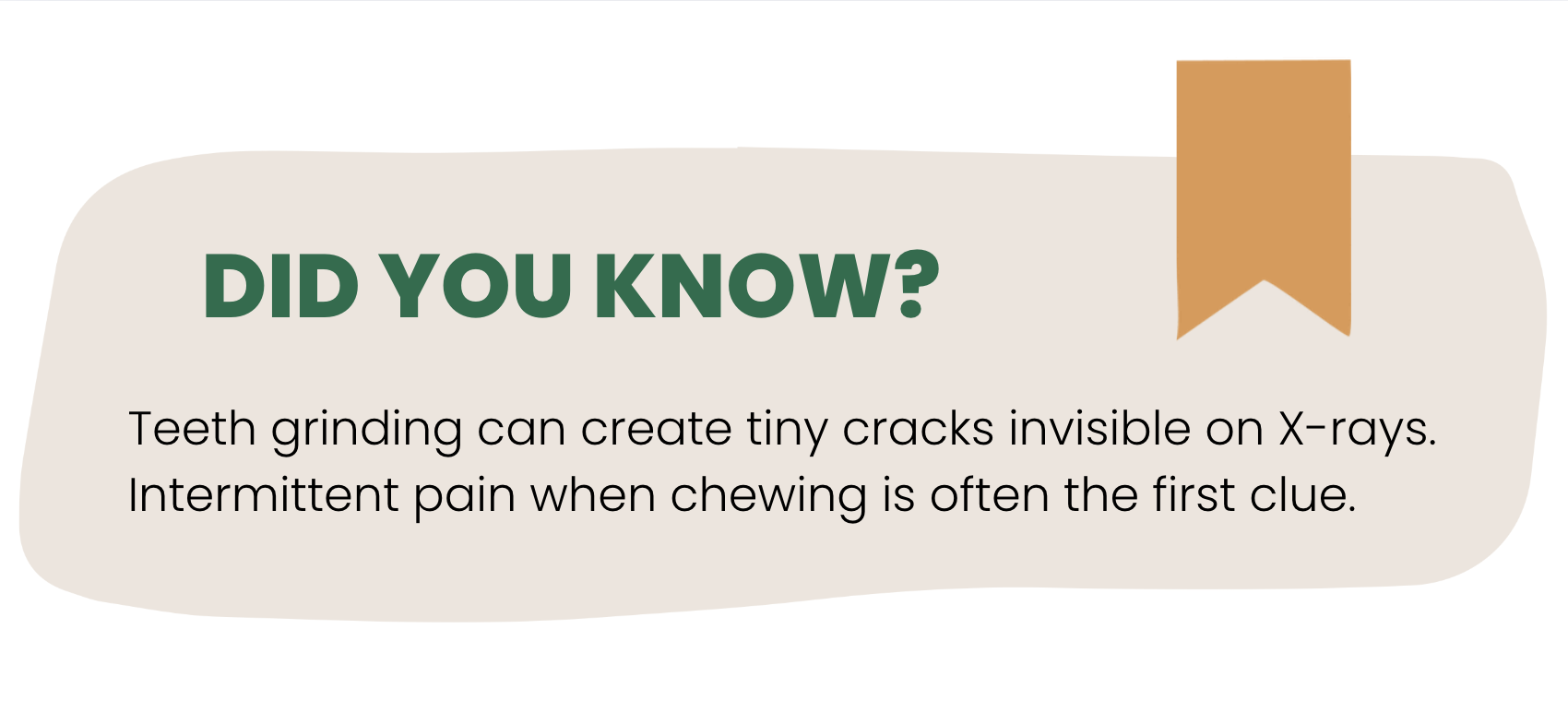
Yes. Bruxism creates low-grade, cumulative stress on enamel and can accelerate crack formation, cause referred pain in jaw muscles, and lead to pulp sensitivity. A custom nightguard reduces that load significantly. If you already have on-and-off pain and grind regularly, that’s worth evaluating sooner rather than later.

What’s the difference between a root canal and extraction?
A root canal preserves the tooth by removing infected pulp and sealing the canal—usually followed by a crown. Extraction removes the tooth entirely and requires replacement (implant, bridge, or partial) to prevent bone loss and shifting. When a tooth is restorable, root canal treatment is almost always preferable. Ask about our root canal services in Austin.

How soon should I come in if tooth pain starts?
If pain is sharp and comes with swelling, fever, or difficulty opening your mouth, treat it as urgent—call the same day. If it’s mild sensitivity that comes and goes without swelling, schedule within a week or two. Don’t wait to see if it “gets better” across multiple weeks—most causes of intermittent tooth pain are progressive.

Related Blog Posts

Stay Informed with Expert Insights & Tips About Dental Care

3.10.2026

Unpacking the Cost of Professional Teeth Whitening

Unpack professional teeth whitening costs and find your perfect, dazzling smile at Clover Smile Studio for renewed confidence!

2.7.2026

Stained Teeth Solutions That Actually Work In Real Life

Stained teeth are not always about brushing habits. Discover why discoloration happens and which solutions actually restore confidence, not just color.

1.7.2026

When A Dental Emergency Feels Bigger For Special Needs Families

When dental emergencies involve special needs, fear and urgency collide. This story shows how compassionate care can change everything.

Don’t just take our word for it

Hear from some of our amazing customers who are building faster.

    I am beyond thrilled with the results of my recent dental treatment with Dr. Shah! I had a complex crown procedure done, and from start to finish, Dr. Shah's expertise and care made all the difference.
    Chirag P.
    Compassionate & professional. Dr. Shah is very professional and goes an extra mile to make sure you are at ease and comfortable. Will always briefly explain what needs to be done and will provide valuable advice.
    Vavita D.
    I highly recommend DrShah he truly cares about your dental care. I don’t trust anyone  else with my teeth I have been going to him for years. Visit his website, make a appointment you won’t regret it.
    Melissa N.
VISIT US
16009 FM 1325 Suite 200 Austin TX 78728
CALL US
(512) 212-1112
EMAIL US
cloversmileatx@gmail.com
OFFICE HOURS
Monday - Friday
8:00 AM - 5:00 PM
Weekend
Closed

Make An Appointment

Thank you! Your submission has been received!
Oops! Something went wrong while submitting the form.