The Trick That Wasn’t a Treat
.png)
It started with a peanut butter cup.
Julia, a 36-year-old teacher from North Austin, had just come home from her school’s fall festival. Her kitchen counter was covered in orange plastic pumpkins, candy wrappers, and the faint smell of caramel popcorn. Like any teacher after a long day, she decided she’d earned a little reward.
She unwrapped one piece of chocolate, bit down — and froze.
A sharp, electric sting shot through her molar and up the side of her face. It was quick, gone in a flash, but it left her rubbing her jaw and wondering, Was that a fluke?
By the next morning, every bite of her toast brought the same twinge. By that night, even sipping cold water made her wince. She kept brushing carefully, avoiding that one side, convincing herself it would pass. “Maybe I just brushed too hard,” she told her husband.
But by the end of the week, when the ache woke her in the middle of the night, Julia realized this wasn’t about Halloween candy anymore. It was her tooth — and it was trying to tell her something.
When Sweet Turns Sour
Halloween is supposed to be lighthearted — the smell of chocolate, the crunch of leaves, and the sound of neighborhood kids shouting “trick or treat.” But for dentists, October is the season of silent toothaches.
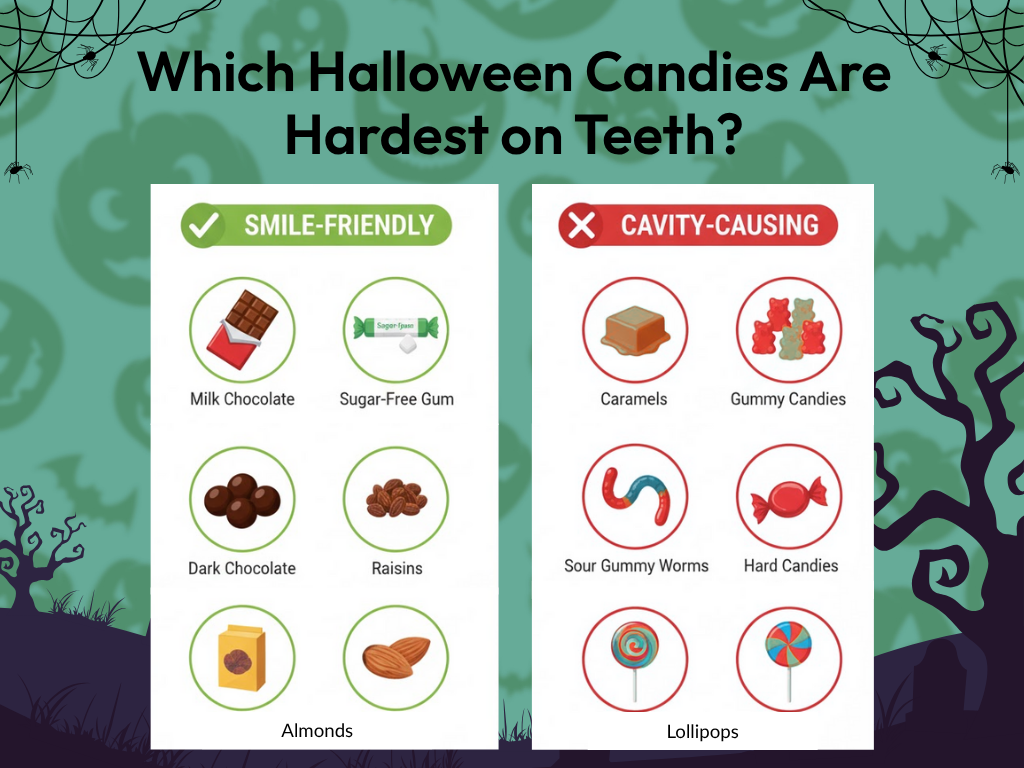
Sugar is sneaky. Sticky caramels, sour gummies, even that innocent chocolate bar — each one leaves a trace of sugar that bacteria feast on long after you’ve finished chewing. Those bacteria release acid that weakens enamel and creeps into tiny crevices you can’t see or feel.
Julia’s pain, however, wasn’t from a brand-new cavity. It came from an old filling she’d gotten back in college. Over time, the edges had loosened just enough to let bacteria slip through. That gap became the perfect hiding spot for decay.
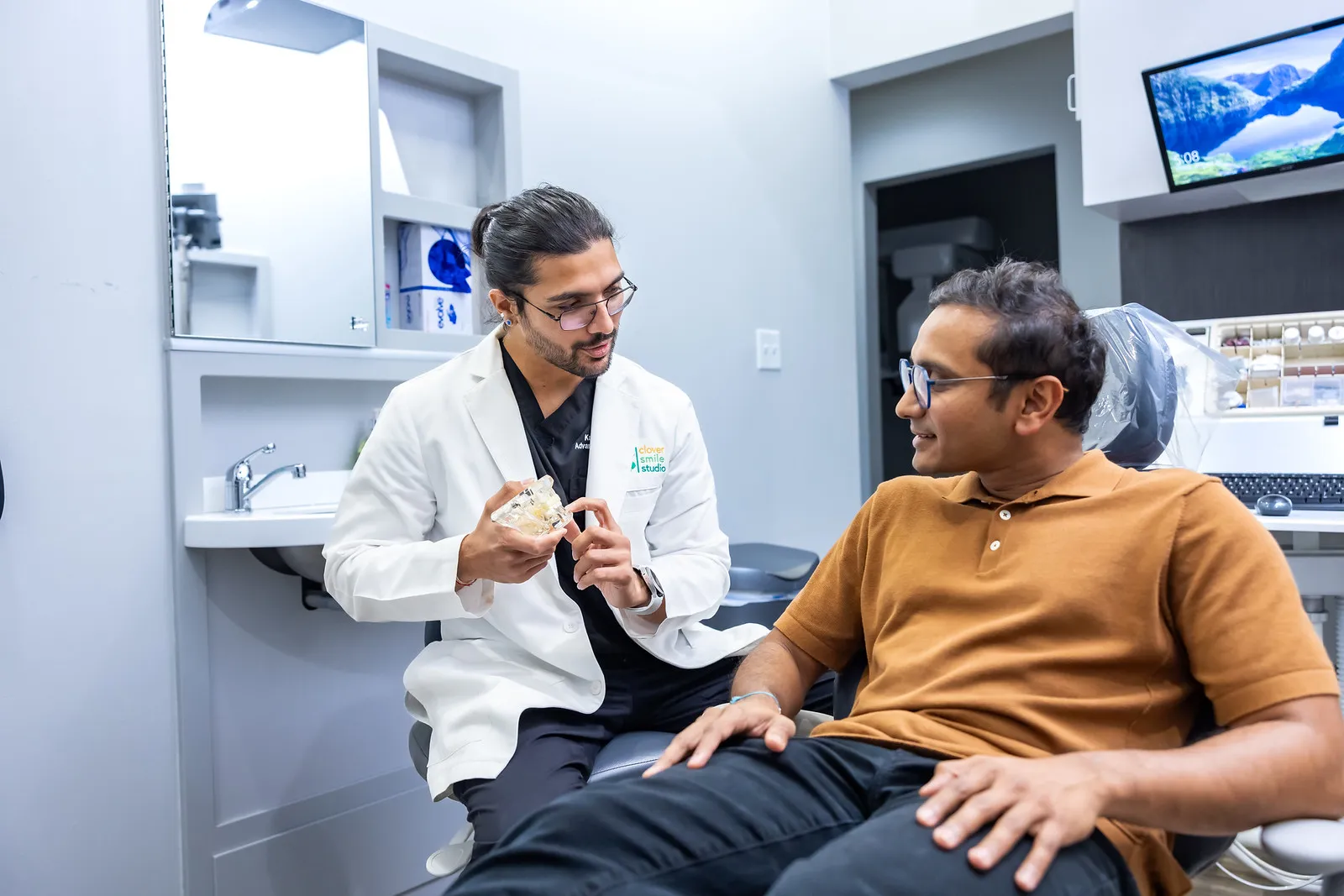
When she finally visited Clover Smile Studio in Austin, Dr. Karnik Shah explained something that stuck with her:
“Tooth pain that comes and goes is like a smoke alarm with dying batteries — it still works, but it’s warning you that something deeper needs attention.”
The Science Behind the Scare
Sugar itself isn’t the villain — it’s the chain reaction it sets off. Imagine your tooth as a fortress. The outer wall, enamel, is your armor. It’s tough but not invincible. When bacteria feed on leftover sugar, they release acid — like tiny rust spots slowly eating through metal.
Once enamel weakens, the sensitive layer beneath (called dentin) becomes exposed. That’s when you start feeling those lightning-bolt sensations when biting into something sweet, hot, or cold.
Julia’s X-rays revealed early infection near the root. The good news? It was still reversible without major treatment. Dr. Shah recommended a new dental crown to seal and protect the tooth — and prevent a root canal later on.

Facing the Fear (and the Guilt)
When Dr. Shah asked Julia when her last dental visit had been, she looked embarrassed. “Before the pandemic,” she admitted. “It wasn’t fear — just life getting in the way.”
That’s one of the most common confessions dentists hear. Between work, kids, and endless to-do lists, dental checkups often slide down the priority list. Pain, oddly enough, becomes the motivator.
But waiting comes with a price. Small cracks deepen. Bacteria spread quietly. And what could have been a simple composite filling turns into something far more complicated.
Dr. Shah reassured her gently: “You’re not alone, Julia. The important part is that you came in before it got worse.”
The Turning Point
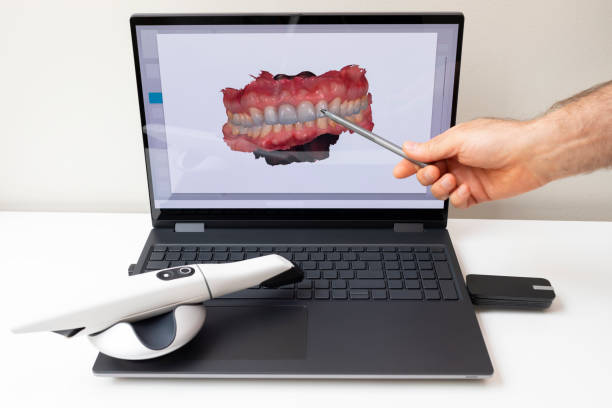
Thanks to same-day dentistry, Julia’s new crown was designed, milled, and fitted in a single visit.
Watching her new tooth appear on the screen during the digital scan fascinated her. “It looked like magic,” she later said. “I didn’t realize how precise it all was — no goopy molds, no waiting weeks.”
By the time she left the office, her pain was gone. So was the stress that had been sitting quietly in her jaw for weeks.