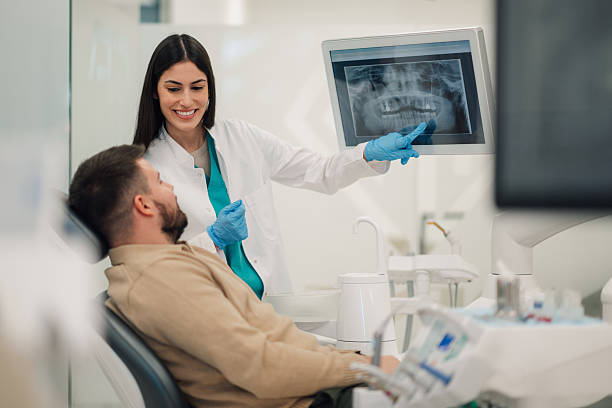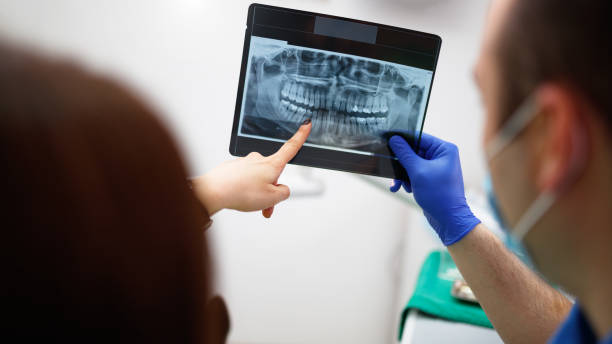
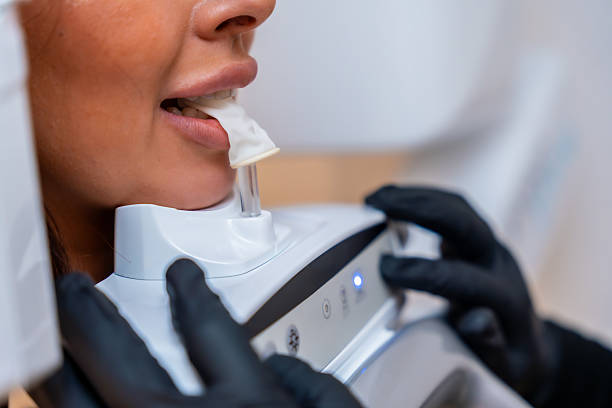
Marissa dreaded the old cardboard bite-wings and long waits for film to develop. This visit, the hygienist at Clover Smile Studio in Austin placed a slim digital sensor, tapped a button, and her molar appeared in crisp detail on the screen before she even blinked. With a quick zoom, the hygienist highlighted a tiny cavity and outlined a fluoride plan—turning what used to be anxious guessing into clear, immediate action.
From Film to Pixels: What Changed?
For nearly a century, dental radiographs meant single-use film packets, chemical developing baths, and five-to-seven-minute waits between exposures. Digital dental X-rays replace that infrastructure with:
- Electronic sensors—slim plates that capture radiation and convert it into raw data.
- Imaging software—powerful algorithms that sharpen contrast, measure bone density, and store files in your electronic record.
- Low-dose X-ray heads—modern units emit up to 80 % less radiation than many 1990s film machines.
The result? Lightning-fast images, lower radiation, and richer detail all live on the same screen you use for Netflix.
Four Patient-Visible Benefits You’ll Notice Right Away
- Minimal Radiation, Maximum Reassurance
Scientific reviews show digital sensors cut exposure by 50–80 % compared with older film. That matters if you need multiple images to monitor a root canal or track orthodontic movement. - Instant Feedback Equals Fewer Appointments
Because the image pops up in seconds, your dentist can retake a blurry view immediately—not days later. Diagnosing early decay often means a quick sealant during your professional dental cleaning, instead of a separate visit for a filling. - Sharper Detail Reveals What Film Missed
High-resolution software lets us magnify hairline fractures and trace nerve canals before preparing dental crowns. Seeing these subtleties early prevents mid-procedure surprises. - Eco-Friendly and Shareable
No chemicals, no film waste. And if you need a specialist consult, your encrypted files email across town in seconds—vital during after-hours emergency dentistry.
Are Digital X-Rays Really That Safe?
Yes. A single bite-wing digital exposure delivers roughly 1–2 microsieverts—about the amount of natural background radiation you absorb during a two-hour flight from Austin to Denver. Modern collimators, thyroid collars, and lead aprons shrink scatter even further.
For context, you’d need more than 2,000 digital dental X-rays in a year to equal the average annual dose considered safe by the Nuclear Regulatory Commission.