1. Is a cracked tooth an emergency?
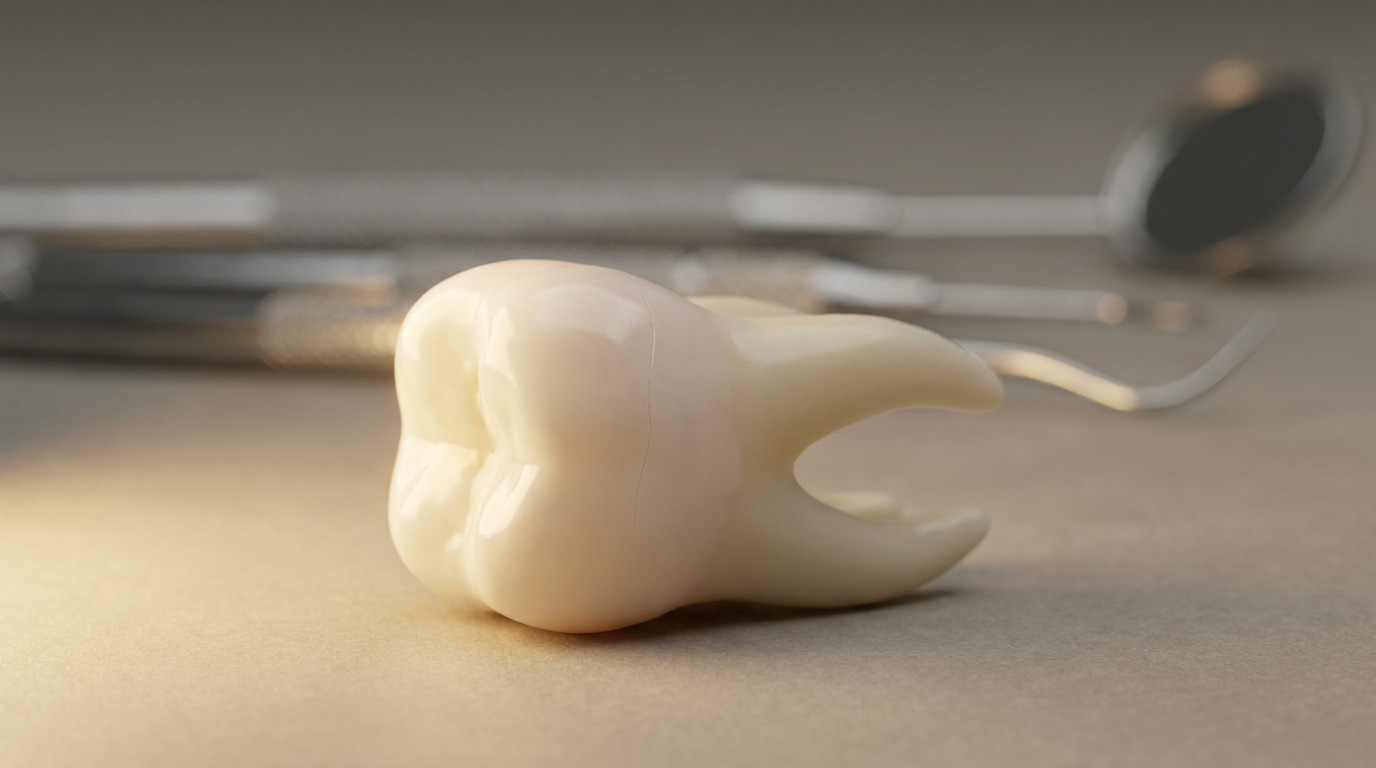
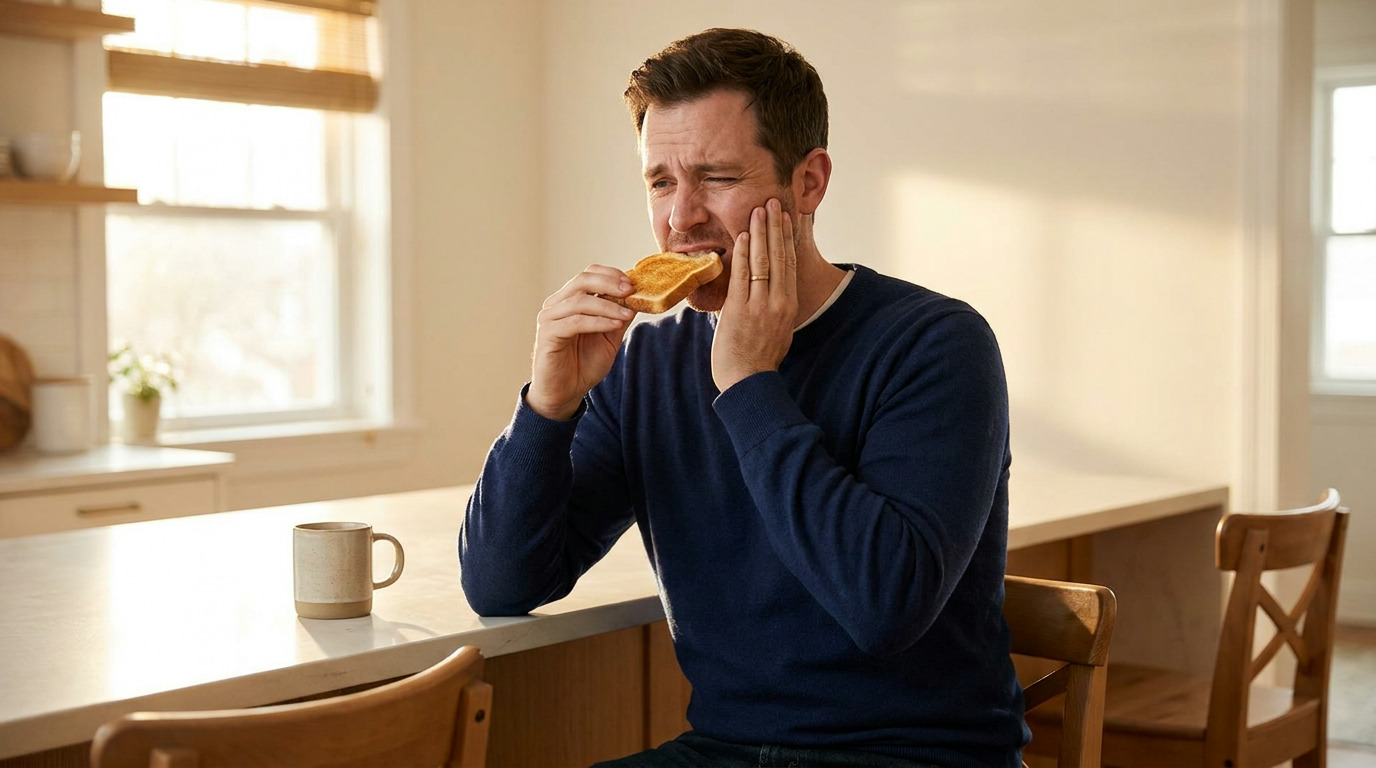
A cracked tooth can be an emergency if it causes severe pain, significant bleeding, or indicates a deep infection, requiring immediate attention to prevent further damage.
2. Can a cracked tooth heal on its own?
No, a cracked tooth cannot heal on its own; it requires professional dental intervention to prevent the crack from worsening and to protect the tooth from infection.
3. How does Dr. Shah diagnose a cracked tooth?
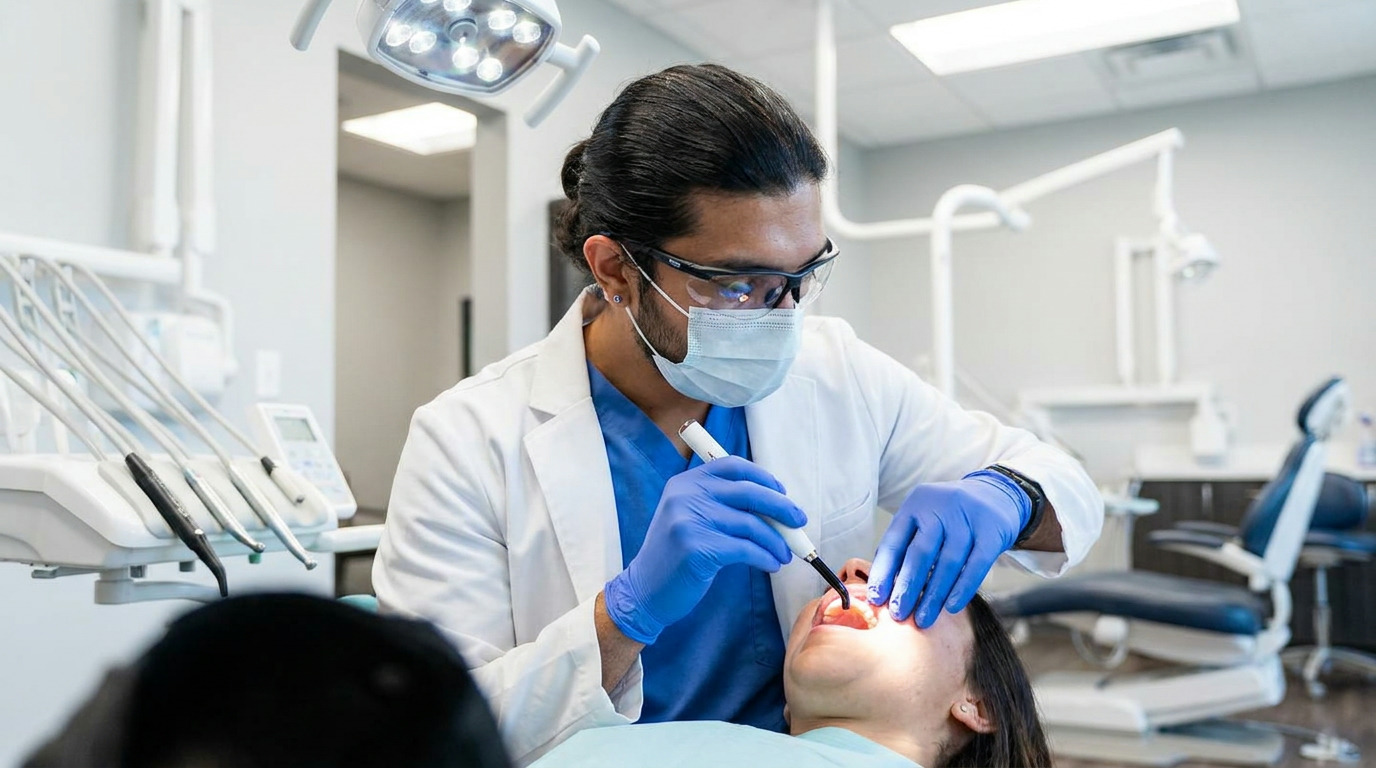
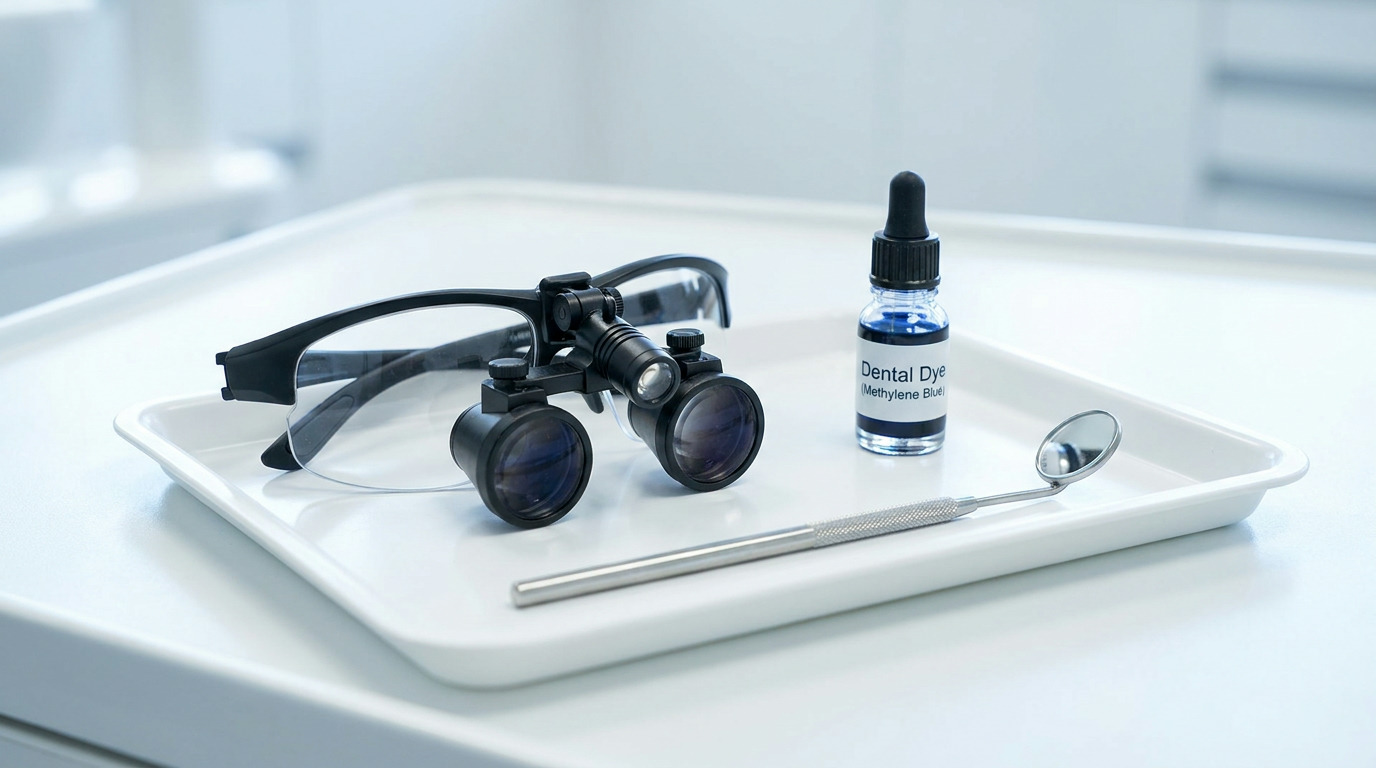
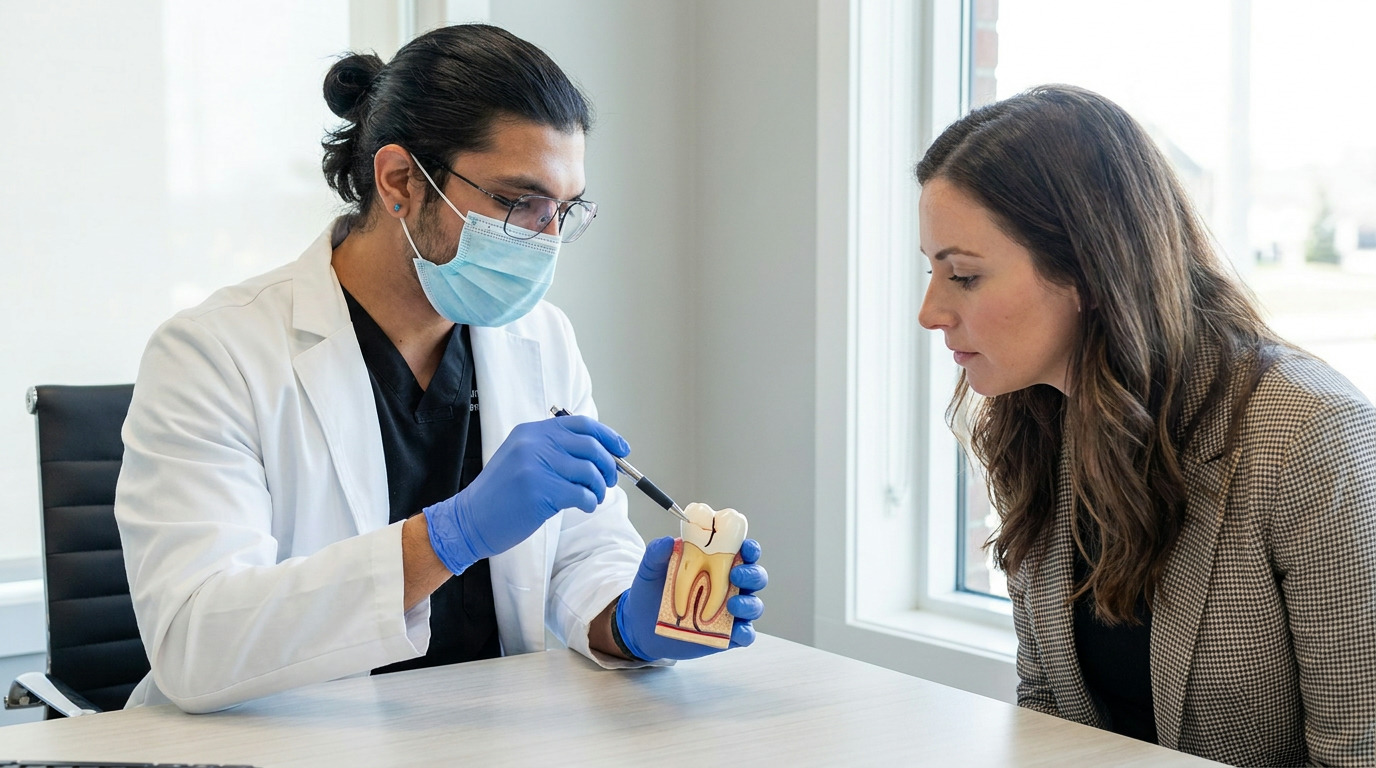
Dr. Shah diagnoses a cracked tooth using visual inspection, probing, biting tests, and sometimes specialized dyes or transillumination, as X-rays often don't show cracks.
4. What are the treatment options for a cracked tooth at Clover Smile Studio?
Treatment options at Clover Smile Studio for a cracked tooth include composite fillings, dental crowns, or in severe cases, root canal therapy, depending on the crack's extent.
5. Why is my cracked tooth sensitive to cold and not hot?
Your cracked tooth might be more sensitive to cold because cold temperatures cause the fluid in exposed dental tubules to move, irritating the nerve more intensely than heat.
6. Can a cracked tooth lead to a root canal?
Yes, if a crack extends into the tooth's pulp, it can lead to infection and inflammation, often necessitating root canal therapy to save the tooth.
7. Does insurance cover cracked tooth repair in Austin?
Most dental insurance plans cover a portion of cracked tooth repair, depending on the treatment needed (filling, crown, root canal) and your specific policy details.
8. How can I prevent my teeth from cracking?
You can prevent teeth from cracking by avoiding chewing on hard objects, wearing a custom night guard if you grind your teeth, and maintaining good oral hygiene.
9. What is a craze line?
A craze line is a very tiny, superficial crack in the enamel of a tooth that typically causes no pain and usually doesn't require any specific treatment.
10. Can stress cause me to crack a tooth?
Yes, stress can lead to teeth grinding or clenching (bruxism), which places excessive force on teeth and can significantly increase the risk of developing cracks over time.